- Your cart is empty
- Continue Shopping
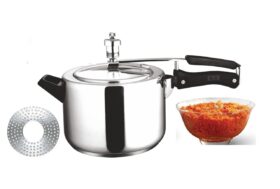
Mistakes to Avoid When Pressure Cooking
- Posted on
-
Posted by: admin
- 0 comments
- Categories: Uncategorized

Mistakes to Avoid When Pressure Cooking
Pressure cooking is a fantastic way to prepare meals quickly and enhance flavors, but it can be intimidating for those new to the method. Even seasoned cooks can encounter pitfalls that affect the quality of their dishes or, worse, create safety hazards. To help you make the most of your pressure cooker, here are some common mistakes to avoid and tips to ensure success.
1. Overfilling the Pressure Cooker
One of the most significant mistakes home chefs make is overfilling their pressure cookers.
- What Happens: A pressure cooker needs room for steam to build and for food to expand during cooking.
- Rule of Thumb: Never fill the pot more than two-thirds full. If you’re cooking foods that expand (like rice or beans), fill it only halfway.
Pro Tip: Check your pressure cooker’s manual for specific fill limits and guidelines.
2. Ignoring the Liquid Requirement
Pressure cooking relies on steam, which comes from liquid.
- Common Mistake: Many people underestimate the amount of liquid needed.
- Tip: Always use at least 1 cup of liquid, as this is essential for creating steam and building pressure.
Why It Matters: Insufficient liquid can prevent the cooker from reaching the necessary pressure, leading to undercooked food or even damaging the cooker.
3. Skipping the Natural Release Process
Natural pressure release allows foods to finish cooking gently.
- Mistake: Some recipes call for quick release, but rushing this step can lead to overcooked or tough results, especially with meats.
- Tip: For large cuts of meat or stews, opt for natural release to let the juices redistribute and enhance tenderness.
Pro Tip: Wait at least 10 minutes before using quick release for better results.
4. Neglecting to Preheat the Cooker
Many pressure cookers have a sauté function that allows you to preheat before cooking.
- Mistake: Skipping this step can result in uneven cooking or lack of flavor.
- Tip: Always brown meats and sauté aromatics before sealing the pot. This step enhances flavor through caramelization.
Magic Trick: Use the sauté function to deglaze the pot before pressure cooking, capturing all those delicious browned bits.
5. Not Using the Right Pressure Setting
Different foods require different cooking pressures.
- Mistake: Using the wrong pressure setting can result in undercooked or overcooked dishes.
- Tip: Use high pressure for meats and grains, while low pressure is better for delicate foods like vegetables or seafood.
Why It Matters: Knowing which pressure to use ensures that all your ingredients cook properly.
6. Forgetting to Season Properly
Seasoning is crucial in pressure cooking, just like in any cooking method.
- Mistake: Some cooks forget to add enough seasoning, thinking the pressure cooker will intensify flavors on its own.
- Tip: Season foods before cooking and taste after cooking—flavors can change in pressure cooking.
Pro Tip: Use herbs and spices early in the process to maximize their impact.
7. Using Too Much Thick Sauce or Paste
Thick sauces or pastes can clog the pressure valve.
- Mistake: Recipes with too much tomato paste or cream can lead to sealing issues or steam build-up.
- Tip: Dilute thick sauces with a bit of liquid before adding them to the pressure cooker.
Why It Matters: Ensuring proper steam flow is crucial for safe and effective pressure cooking.
8. Not Cleaning the Sealing Ring
The sealing ring is essential for maintaining pressure.
- Mistake: Not cleaning it regularly can lead to odors or residual food particles, affecting the cooker’s performance.
- Tip: Remove and wash the sealing ring after each use and replace it if it becomes discolored or damaged.
Pro Tip: If you notice a persistent odor, try soaking the ring in a mixture of vinegar and water to remove smells.
9. Rushing Cooking Times
Pressure cooking significantly reduces cooking time, but it still requires precision.
- Mistake: Some cooks miscalculate cooking times, leading to undercooked or overcooked meals.
- Tip: Follow recommended cooking times for different foods and always err on the side of caution. It’s easier to add time than to salvage overcooked food.
Pro Tip: Use a kitchen timer to keep track of cooking times accurately.
10. Ignoring Safety Features
Modern pressure cookers come equipped with several safety features.
- Mistake: Not familiarizing yourself with these features can lead to misuse or accidents.
- Tip: Read the user manual carefully to understand how to operate the pressure release valve, locking mechanisms, and any other safety functions.
Why It Matters: Familiarity with your pressure cooker’s safety features ensures safe and effective cooking.
Conclusion
Pressure cooking is a fantastic way to create delicious, time-saving meals. By avoiding these common mistakes, you can unlock the full potential of your pressure cooker and enjoy flavorful, healthy dishes with ease. Remember that practice makes perfect, so don’t hesitate to experiment and learn from your experiences in the kitchen. Happy cooking!