- Your cart is empty
- Continue Shopping
Pressure Cooking Secrets Every Home Chef Should Know
- Posted on
-
Posted by: admin
- 0 comments
- Categories: Uncategorized
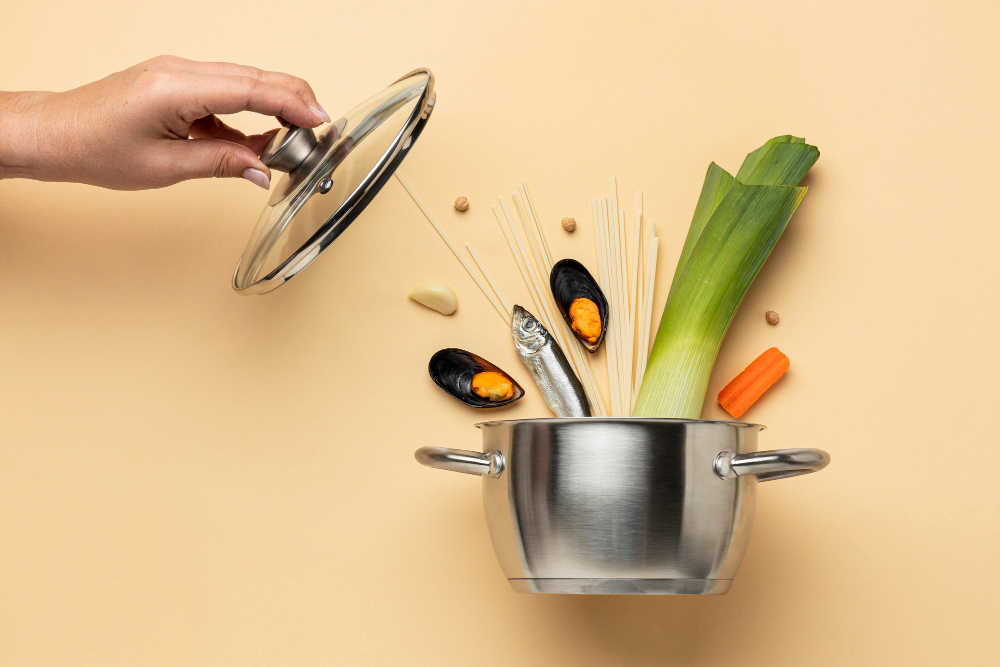
Pressure Cooking Secrets Every Home Chef Should Know
Pressure cooking has revolutionized the way we cook by making meals faster, more flavorful, and healthier. Yet, mastering this method takes more than just turning on a pressure cooker. Whether you’re new to pressure cooking or want to level up your skills, these essential secrets will help you unlock the full potential of your pressure cooker.
1. Understanding the Science of Pressure Cooking
Pressure cookers work by trapping steam, raising the boiling point of water, and cooking food at higher temperatures.
- Key Fact: Water boils at 212°F (100°C) under normal conditions, but in a pressure cooker, it can reach up to 250°F (121°C).
- What It Means: Higher heat cooks food faster without losing moisture or flavor.
Pro Tip: Use enough liquid (usually 1-2 cups) to generate sufficient steam, as pressure cookers need moisture to function properly.
2. Get to Know the Pressure Settings
Most electric pressure cookers offer multiple pressure settings.
- High Pressure: Best for meats, beans, and stews.
- Low Pressure: Suitable for delicate foods like vegetables or seafood.
Pro Tip: For foods prone to overcooking (like vegetables), opt for low pressure to preserve texture and nutrients.
3. Preheat the Cooker to Save Time
Like an oven, a pressure cooker benefits from preheating.
- Secret: Turn on the sauté mode (if available) to preheat the cooker and brown ingredients before sealing it for pressure cooking.
- Why It Works: Preheating shortens the time it takes to reach pressure.
Bonus Tip: Searing meats in the same pot before pressure cooking enhances flavor by creating a caramelized crust.
4. Avoid Overfilling the Pot
A pressure cooker needs room for steam to build.
- Rule of Thumb: Fill the cooker no more than two-thirds full. For foods that expand (like beans or grains), fill only halfway.
- Why It Matters: Overfilling can block the pressure valve, leading to improper cooking or safety issues.
5. Natural Release vs. Quick Release
How you release pressure can affect your dish’s outcome.
- Natural Release: Letting the pressure reduce gradually (great for stews and meats to retain moisture).
- Quick Release: Manually releasing the pressure (ideal for vegetables to prevent overcooking).
Pro Tip: Use natural release for tough cuts of meat—it helps the fibers relax, resulting in more tender bites.
6. Use the Right Amount of Liquid
Pressure cookers require moisture to create steam and build pressure.
- Secret: For most recipes, use at least 1 cup of liquid (water, broth, or wine).
- Trick: Avoid using too much liquid—pressure cookers trap moisture, so sauces won’t reduce as much as in regular pots.
Pro Tip: If the sauce is too thin after cooking, switch to sauté mode to reduce it.
7. Adjust Cooking Times for Altitude
High altitudes affect pressure cooking because water boils at a lower temperature.
- Adjustment: Increase cooking times by 5% for every 1,000 feet above sea level.
- Why It Matters: Without adjustments, food may end up undercooked.
8. Timing is Everything
Pressure cooking is fast, but precise timing is crucial.
- Secret: Foods like rice, pasta, or vegetables can overcook quickly under pressure.
- Trick: Underestimate cooking times slightly; you can always cook for an additional minute if needed.
Pro Tip: Use a kitchen timer to prevent overcooking delicate foods.
9. Don’t Skip the Deglazing Step
After sautéing or browning, there are flavorful bits (fond) stuck to the bottom of the pot.
Why It Matters: These caramelized bits enhance the flavor of your dish.
How to Deglaze: Add a bit of broth, wine, or water to loosen the fond before pressure cooking.